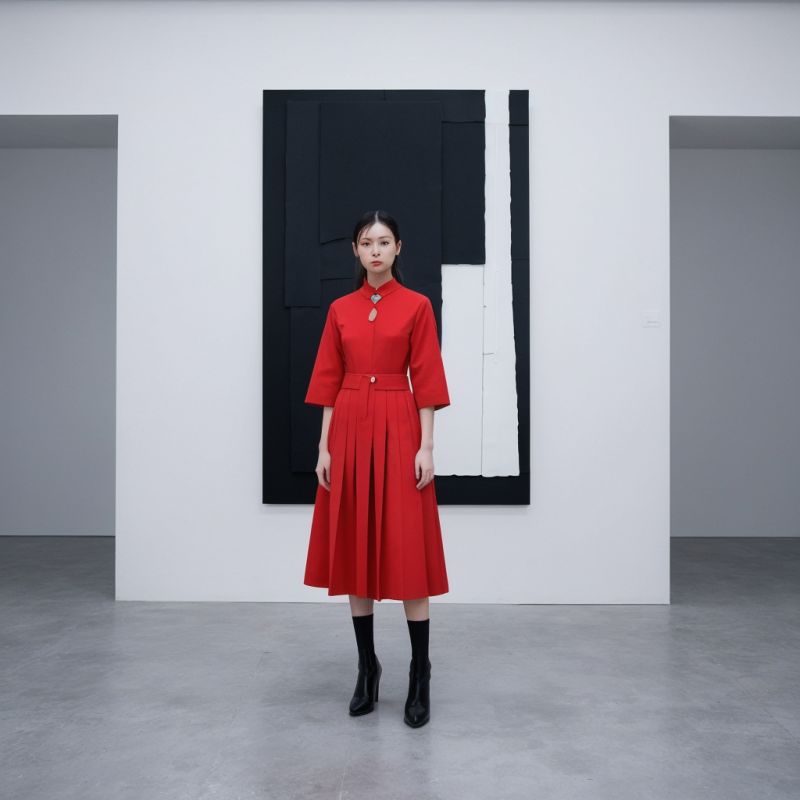
In today’s fast-paced fashion industry, the digital transformation has brought about remarkable advancements, particularly through 3D modeling and AI-powered fashion design. These cutting-edge technologies have revolutionized the design process, but they have also introduced a new challenge—technostress.
Fashion designers and professionals across the industry are now expected to quickly master advanced AI and 3D fashion technology. The transition from traditional sketching to 3D fashion design requires not only technical proficiency but also a fundamental shift in creative processes. The rapid evolution of these innovations can lead to stress and anxiety as professionals strive to keep up with the latest trends in digital fashion.
To successfully navigate this transformation, embracing a positive mindset and flexible approach is key. It’s not just about adapting to new tools—it’s about turning technological apprehension into creative innovation. Fashion brands must create an environment that promotes continuous learning and provides the necessary resources to help professionals transition smoothly into using AI fashion solutions and 3D modeling software.
Moreover, the impact of AI in fashion extends beyond design, influencing fashion marketing, sales, and customer interaction. A holistic approach to digital literacy is essential across all departments. Companies that prioritize mental well-being and offer support for managing technostress will be better equipped to leverage these advanced technologies without overwhelming their creative teams.
As we explore the potential of AI-generated fashion and 3D fashion solutions, it is crucial to invest in training and mental health resources that empower fashion professionals to adapt confidently and maintain their creative edge.
 3Dart.Studio
Leave a comment